Coronavirus: What it does to the body


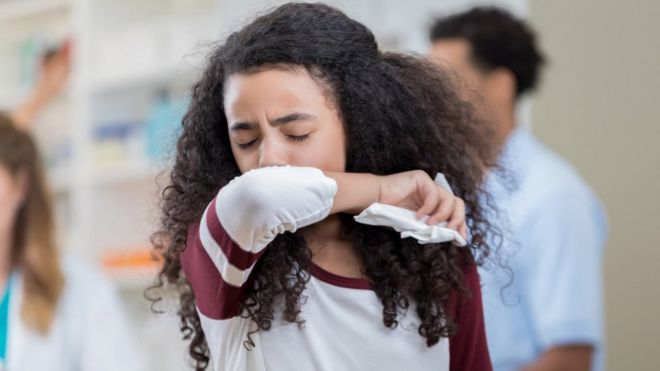
Cough into elbowImage copyrightGETTY IMAGES

The coronavirus emerged in only December last year, but already the world is dealing with a pandemic of the virus and the disease it causes - Covid-19.

For most, the disease is mild, but some people die.

So how is the virus attacking the body, why are some people being killed and how is it treated?

Incubation period

This is when the virus is establishing itself.

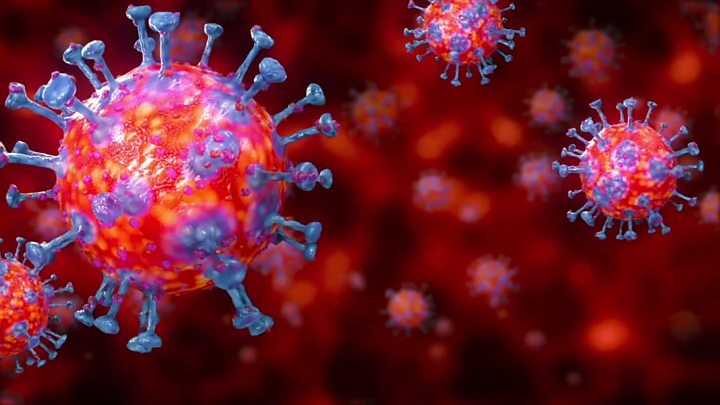
Viruses work by getting inside the cells your body is made of and then hijacking them.

The coronavirus, officially called Sars-CoV-2, can invade your body when you breathe it in (after someone coughs nearby) or you touch a contaminated surface and then your face.

It first infects the cells lining your throat, airways and lungs and turns them into "coronavirus factories" that spew out huge numbers of new viruses that go on to infect yet more cells.

At this early stage, you will not be sick and some people may never develop symptoms.

The incubation period, the time between infection and first symptoms appearing, varies widely, but is five days on average.
Media captionEverything you need to know about the coronavirus – explained in one minute by the BBC's Laura Foster

Mild disease

This is all most people will experience.

Covid-19 is a mild infection for eight out of 10 people who get it and the core symptoms are a fever and a cough.

Body aches, sore throat and a headache are all possible, but not guaranteed.

The fever, and generally feeling grotty, is a result of your immune system responding to the infection. It has recognised the virus as a hostile invader and signals to the rest of the body something is wrong by releasing chemicals called cytokines.

These rally the immune system, but also cause the body aches, pain and fever.

The coronavirus cough is initially a dry one (you're not bringing stuff up) and this is probably down to irritation of cells as they become infected by the virus.

Some people will eventually start coughing up sputum - a thick mucus containing dead lung cells killed by the virus.

These symptoms are treated with bed rest, plenty of fluids and paracetamol. You won't need specialist hospital care.

This stage lasts about a week - at which point most recover because their immune system has fought off the virus.

However, some will develop a more serious form of Covid-19.

This is the best we understand at the moment about this stage, however, there are studies emerging that suggest the disease can cause more cold-like symptoms such as a runny nose too.

Comments

Popular posts from this blog

Coronavirus: Can California's economy survive the latest surge?

  Image copyright EPA Image caption California's coronavirus outbreak is hurting the tourism industry Earlier this year, California was praised for an early lockdown, which helped stem the pandemic in the US state. But cases have since surged. What's next for the Golden State, known for Hollywood, sunshine and celebrity? Scott DeAngelis spent a decade building up a lucrative tour guide operation on Hollywood Boulevard. For years tourists flocked to the Hollywood Walk of Fame and there was always enough work to go around. But now there are more palm trees than people and the stars once hard to find under the feet of potential customers, now bake, exposed to the midday sun. Hope was briefly on the horizon when California Governor Gavin Newsom announced a phased reopening plan. He said it would be a dimmer switch, gradually shining a brighter light at the end of this dark tunnel. But cases began to rise again after the Memorial Day weekend in late May - and the dimmer switch has n...

Coronavirus: Are women and children less affected?

  Image copyright SCIENCE PHOTO LIBRARY Women seem to be less likely to die from coronavirus than men, and children appear to be less likely to die than other age groups. Most people will get a mild infection, but the pattern is clear in the most severe cases. So what is going on? All the information we have is coming from a massive study by the Chinese Centres of Disease Control. It looked at 44,000 people and showed 2.8% of infected men died, compared with 1.7% of women. And 0.2% of children and teenagers died compared with nearly 15% of people over the age of 80. Are women and children less likely to catch coronavirus? There are two ways of explaining the findings. Either these groups are less likely to be infected in the first place, or their bodies are more able to cope with the virus. "Normally with new viruses circulating, everybody gets infected: that's the important point," says Dr Bharat Pankhania, from the University of Exeter. This is because there is no imm...

Coronavirus: How will deaf schoolchildren cope with face coverings? And other questions

  Children are returning to school throughout the UK, many of them for the first time since lockdown in March. Here are some of your questions about the challenges ahead. Questions and answers Back to school Your questions Skip Back to school Is it a good idea to send kids back to school if they have a heart problem? from Zoe Corran in Bangor BBC News People who have a serious heart condition are more vulnerable to coronavirus. Many children with heart conditions will, until recently, have been shielding to protect themselves. Experts are now looking into whether as many children will need to shield in the future,  given the reduced level of risk posed to children. Across the UK, children who have been shielding are expected to return to school. However, if a child has an extremely serious condition, your doctor can advice otherwise and parents should engage with the child’s school about the best way to continue their studies. If there is an increase in cases in an area and ...